In today’s era of compact, high-performance electronics, managing heat effectively has become one of the most critical challenges. From smartphones and laptops to semiconductors, batteries, and industrial equipment, every device generates heat during operation. Without proper control, this heat can degrade performance, cause malfunctions, and shorten product lifespan.
One of the most versatile and widely used solutions for this challenge is the thermal pad.
What is a Thermal Pad?
A thermal pad (also called a thermal conductive pad or gap pad) is a pre-formed, soft, and flexible material designed to transfer heat from a component to a cooling element such as a heatsink or casing. By filling the tiny gaps and air pockets that naturally exist between surfaces, thermal pads create a reliable thermal pathway, preventing overheating and improving device stability.
Unlike thermal paste, thermal pads are clean, easy to handle, and can be cut or shaped to match the requirements of different devices.
Composition and Types
Thermal pads are typically made of silicone, graphite, or other polymer-based materials embedded with thermally conductive fillers. Depending on the material and application, several types are available:
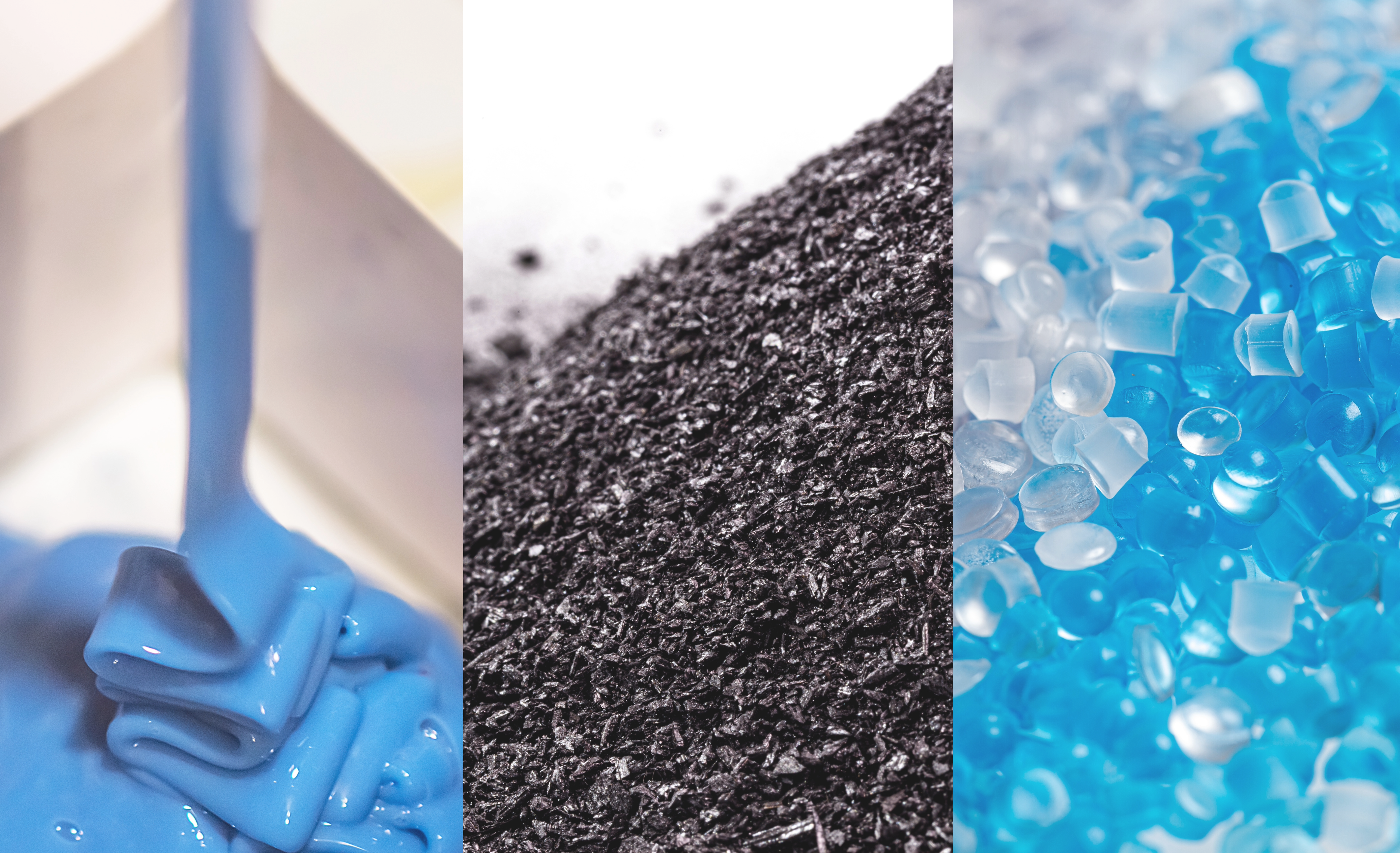
1. Silicone-based thermal pads: Flexible, versatile, and widely used, with thermal conductivities ranging from 1.0 to 15.0 W/m·K.
2. Graphite sheets: Ultra-thin and lightweight with exceptional conductivity (up to 45.0 W/m·K), ideal for compact devices like smartphones and tablets.
3. Phase-change pads: Transition to a more thermally efficient state at higher temperatures, enhancing performance in demanding conditions.
4. Silicone-free thermal pads: Designed for applications sensitive to silicone contamination, such as optical or precision equipment.
Benefits of Thermal Pads
Thermal pads have become indispensable in modern electronics thanks to their many advantages:
- Efficient heat transfer by eliminating air gaps.
- Ease of installation compared to messy pastes.
- Versatility, easily cut and shaped for different designs.
- Shock absorption, reducing stress on components.
- Consistency, delivering stable performance over time.
How Thermal Pads Work
Thermal pads function by filling microscopic air gaps between the surfaces of heat sources and heat sinks. These air gaps, caused by surface irregularities, act as barriers to efficient heat transfer because air is a poor conductor of heat. By conforming to these irregularities, thermal pads eliminate air pockets, ensuring maximum contact between the surfaces. This direct contact creates a reliable pathway for heat to flow from the heat-generating component to the heat sink, optimizing thermal dissipation and improving the overall performance and longevity of the device.
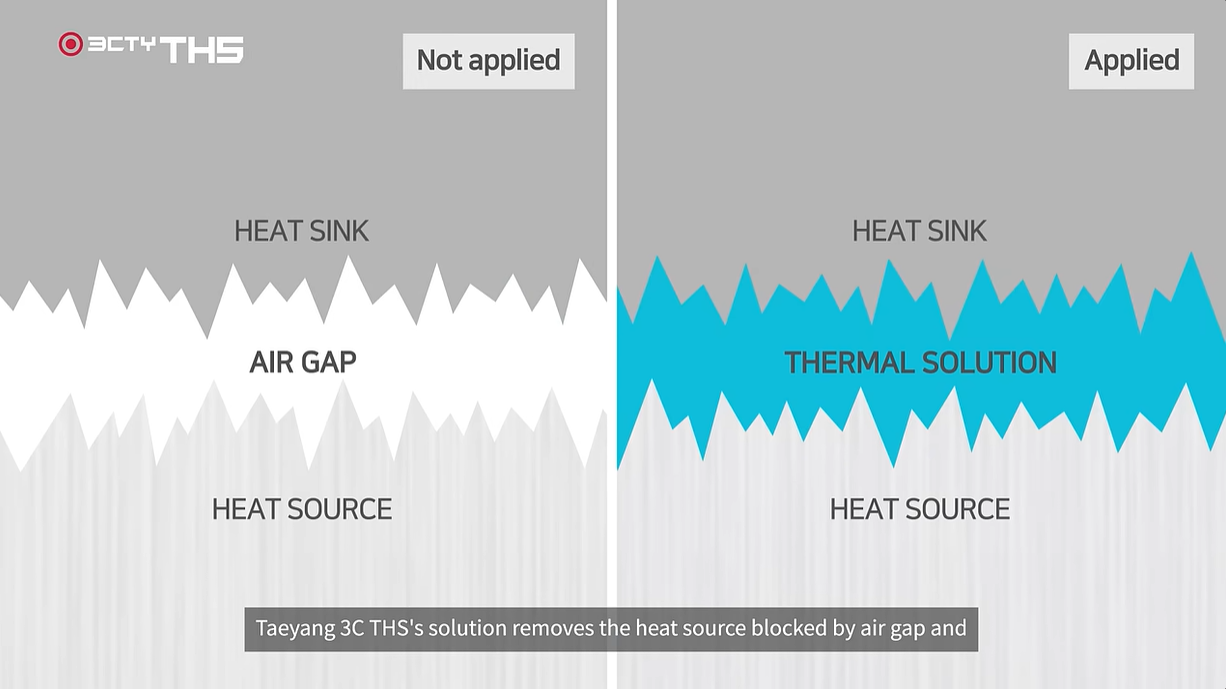
[3CTY THS You Tube Video of Air gap between heat source and heat sink]
Applications of Thermal Pads Across Industries
Thermal pads have become an essential solution across a wide spectrum of industries thanks to their adaptability, ease of use, and reliable performance. They are widely applied in:
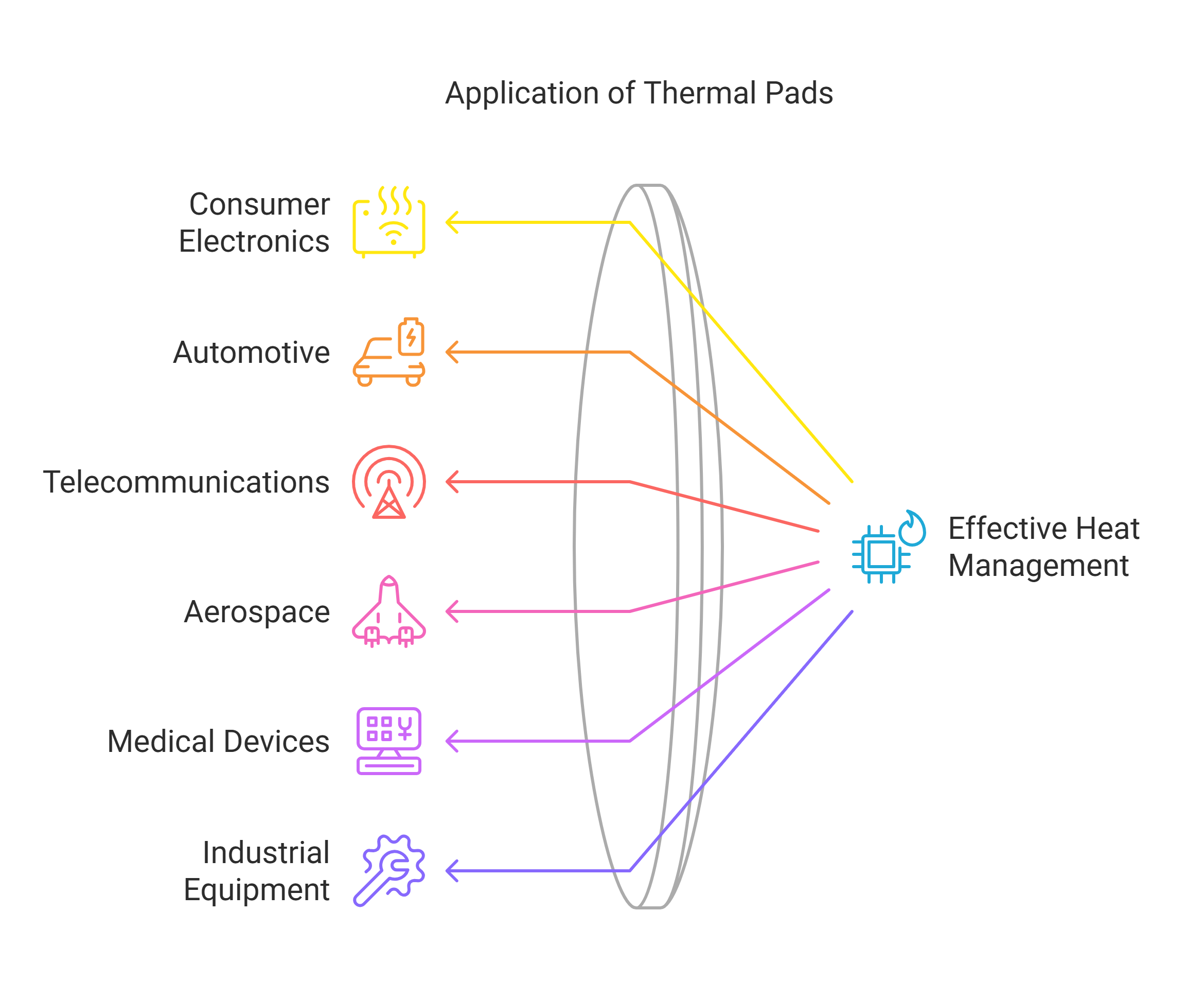
• Consumer electronics: Smartphones, laptops, gaming consoles, and LED displays rely on thermal pads to prevent overheating and ensure smooth operation
• Automotive: From electric vehicle battery modules and ECUs to LED lighting and power electronics, thermal pads support safety, efficiency, and long-term durability.
• Telecommunications: Networking equipment, base stations, and server systems use thermal pads to maintain stable performance under constant workloads.
• Medical devices: Diagnostic systems, imaging equipment, and wearable devices depend on consistent heat management for precision and safety.
• Aerospace and defense: Avionics and other mission-critical systems rely on thermal pads to perform reliably in extreme conditions.
• Industrial equipment: Semiconductor tools, control systems, and heavy-duty machinery use thermal pads to protect sensitive components and reduce downtime.
3C Tae Yang’s Commitment
At 3C Tae Yang (THS), our thermal pads are trusted in applications that demand not only heat dissipation but also reliability under diverse and challenging conditions. From PCB assemblies and semiconductor equipment to energy storage systems and next-generation batteries, we provide tailored thermal solutions that keep pace with evolving industry needs.
Our product portfolio extends beyond standard pads to include graphite sheets, thermal gels, potting compounds, and thermal barrier solutions, giving customers the flexibility to select the most effective material for their design. With decades of expertise in materials engineering and manufacturing, 3C Tae Yang continues to advance its technologies to deliver customized specifications, ensuring consistent performance in any thermal environment.
 #Related Content
- LinkedIn Article: Efficient, Reliable, Essential: The World of Thermal Pads
- Naver Blog: [FAQ] 써멀 패드는 어디에 사용되나요? (Korean)