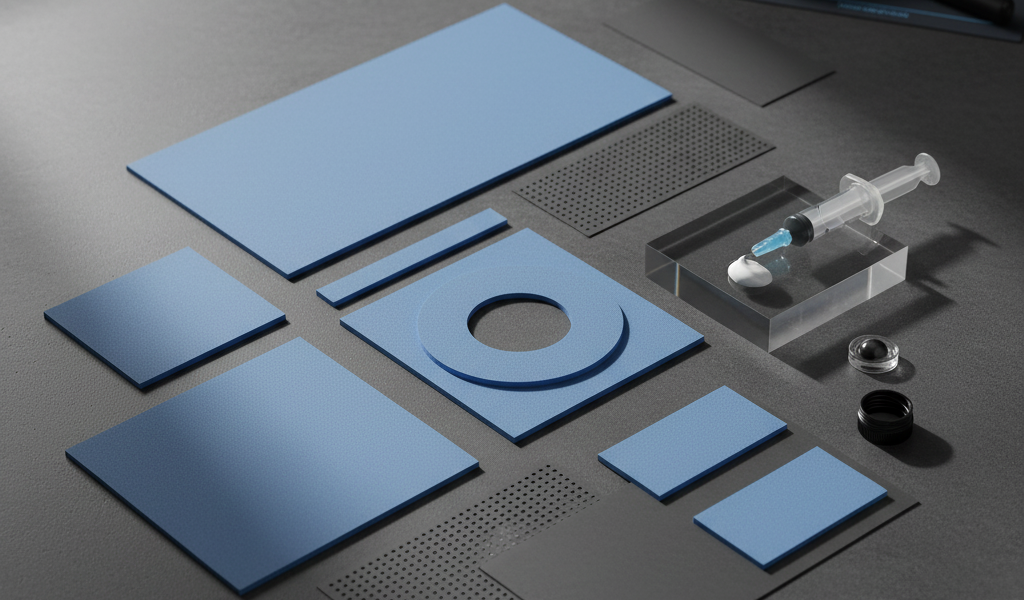
If you are new to thermal management solutions, the various terms listed on product specification sheets might seem unfamiliar. This article aims to clarify the key performance indicators found on the 3C TaeYang THS website, helping you easily understand the essential metrics for selecting the right thermal product.
When selecting thermal management solutions, understanding the key specifications of thermal interface materials, such as thermal pads, gap fillers, and sheets, is essential for effective heat control. Choosing the right material based on application requirements helps improve heat dissipation, electrical safety, and long-term reliability in electronic systems.
1. Thickness
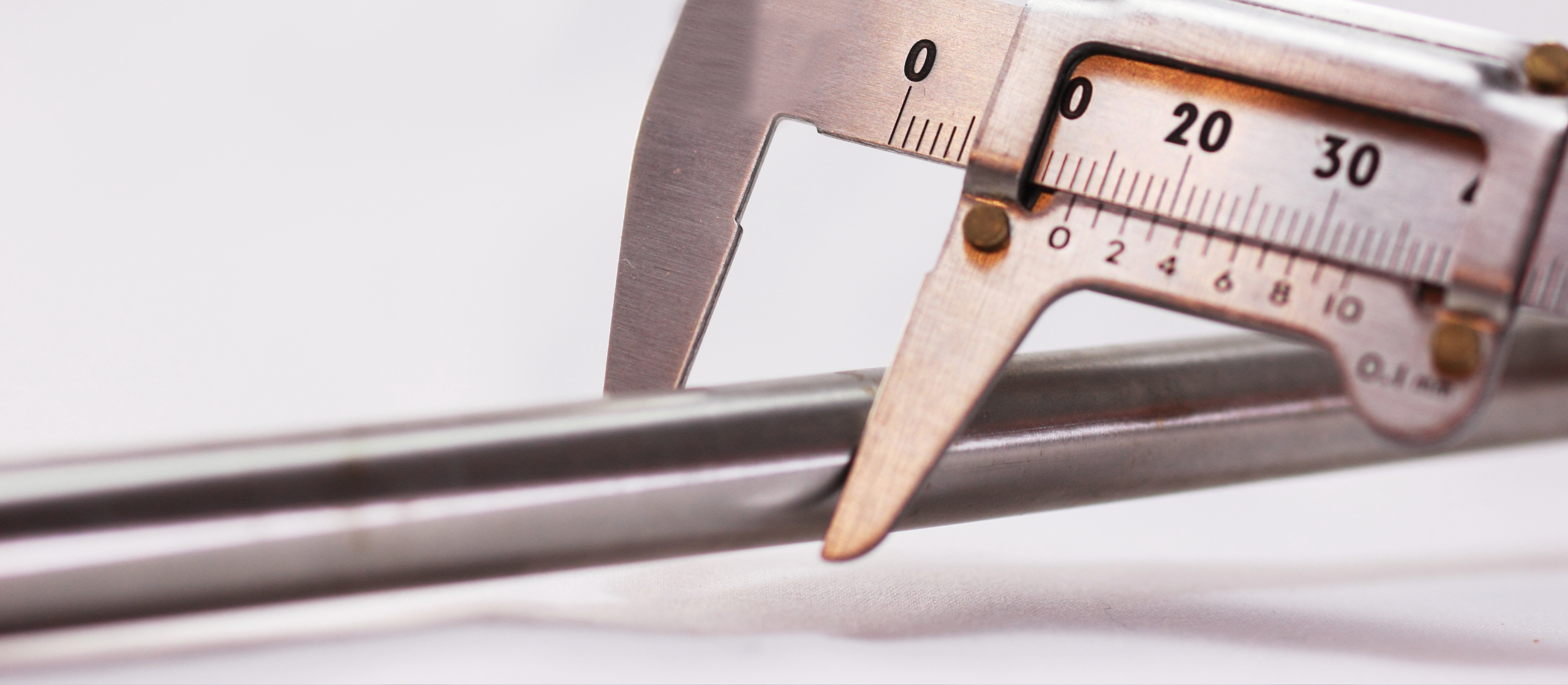
One of the first factors to consider when selecting thermal management solutions, such as thermal pads or sheets, is thickness. Thermal solutions primarily function as a Thermal Interface Material (TIM) to fill the minute gaps (Air Gaps) between electronic components and the heatsink, thereby facilitating efficient heat transfer. Selecting a thickness that precisely matches the product's design is crucial.
A pad that is too thick can lengthen the path of heat transfer, potentially reducing thermal efficiency. Conversely, a pad that is too thin may fail to properly fill the air gaps or be prone to damage. 3C TaeYang THS thermal pads are primarily offered in standard thicknesses such as 1.0mm and 1.5mm. The unit is commonly labeled as ‘mm’ or ‘T’.
2. Thermal Conductivity

Thermal conductivity is a fundamental performance index in thermal interface materials, indicating how efficiently heat can be transferred from electronic components to a heatsink or cooling surface. It is expressed in units of ‘W/m·K’. A higher value signifies that the material can transfer heat more quickly and effectively.
3C TaeYang ensures product reliability by measuring thermal conductivity based on the ASTM D5470 standard. While a high thermal conductivity generally means superior heat dissipation, it is important to select the optimal product by comprehensively considering the component's heat generation, operating environment, and other factors, rather than focusing solely on the highest number.
3. Hardness and Density
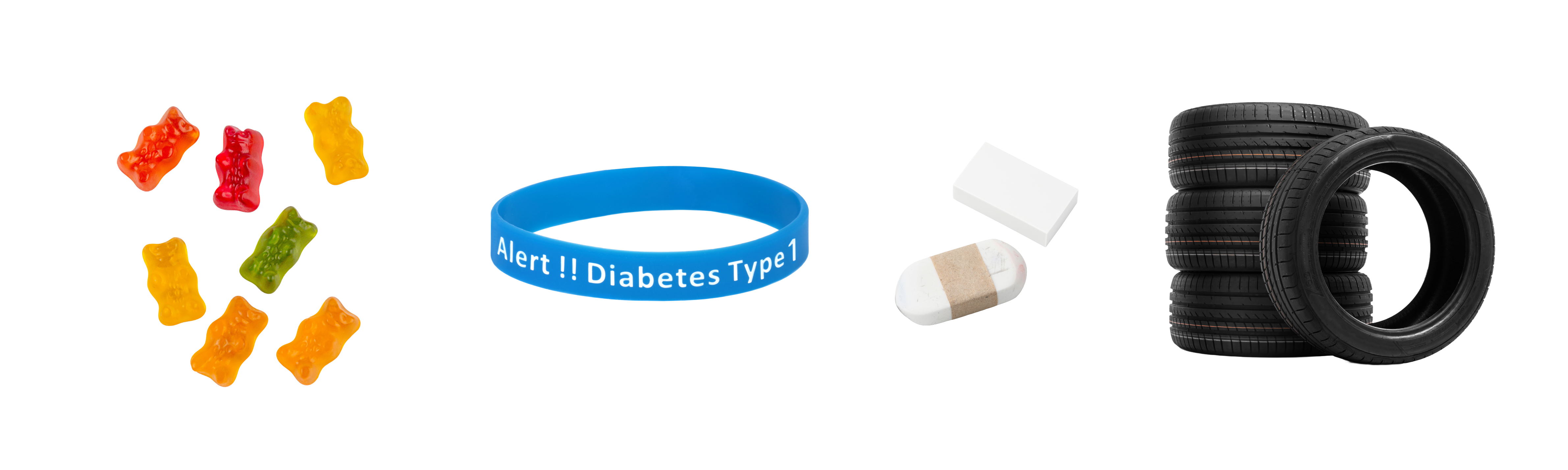
The Hardness of a thermal solution refers to its firmness, while Density indicates how tightly the material is composed.
- Hardness: Thermal pads and gels are typically measured in Shore 00 units, while thermal potting compounds are measured in Shore A units. If the hardness is too high, it can impede the ability to fill air gaps, leading to decreased thermal efficiency. Conversely, excessive softness might compromise dimensional stability. Finding the right balance is key.
- Density: Density reveals how closely packed the thermal filler particles are. Generally, higher density tends to correlate with higher thermal conductivity, though the efficiency can also depend on the shape and arrangement of the filler particles.
In thermal management solutions, hardness and density must be balanced to ensure proper gap filling, stable contact, and consistent thermal performance across varying operating conditions.
4. Electrical Properties (Breakdown Voltage & Volume Resistivity)

Since most thermal solutions are applied to electrically active components, verifying their electrical insulation properties is mandatory.
- Breakdown Voltage: This is the minimum voltage at which an insulating material loses its electrical resistance and allows current to flow. A higher value indicates the material can safely withstand higher voltages.
- Volume Resistivity: This measures how effectively a material resists the flow of electric current. A higher resistivity value signifies superior insulation performance.
For both indicators, a higher numerical value is indicative of greater electrical safety and stability.
5. Flammability Rating

The Flammability Rating indicates a product's resistance to fire in the event of a fire. It is evaluated via the international UL94 standard, with the V-0 rating signifying the highest level of flame retardancy. This means the material will self-extinguish within 10 seconds, even if ignited.
Most products from 3C TaeYang THS meet the V-0 rating. This ensures they can be used with confidence in high-end electronics, automotive components, and other applications where safety is critical.
6. Content of Low Molecular Siloxane (LMS)
Low Molecular Siloxane, a compound that can be emitted from silicone-based products, may cause subtle contact failure or sensor contamination in electronic devices. Products with a content of 100 ppm or less are classified as 'low-siloxane' products.
Low-siloxane thermal interface materials are especially important in applications such as sensors, automotive electronics, and precision devices, where contamination can affect performance and reliability. We offer the TYVS Series to provide solutions optimized for sensitive electronic environments.
Taeyang3C THS's Customized Thermal Solutions
Selecting the right thermal solution cannot be determined by thermal conductivity values alone. It requires a comprehensive consideration of various factors, including the minute gaps in the operating environment, required hardness, electrical safety, and flammability, and sometimes demands beyond standard specifications arise. By understanding key properties of thermal interface materials, such as thermal pads, gap fillers, conductivity, and insulation performance, engineers and buyers can make informed decisions tailored to their specific applications.
3C TaeYang THS operates an individual customization service to provide the most suitable heat dissipation solution for the customer's specific problems and required specifications.
[Customization Scope]
- Thermal Conductivity Optimization
- Precise Adjustment of Thickness, Shape, and Size
- Maximizing Air Gap Filling Performance through Hardness Control
- Custom Manufacturing to Meet Specific Insulation/Flammability Ratings
If you are looking for an optimized thermal management solution for your device, please consult the expert team at 3C TaeYang THS. We will propose a tailored solution with the best performance and stability.
#Related Content
- Naver Blog: [Thermal Note] 주요 용어 설명 (Korean)


