Heatsinks and TIM: Efficient Thermal Management Solutions
Effective thermal management is a critical challenge across numerous industries. In environments with high heat generation, such as electronic devices and telecommunications equipment, heat must be efficiently controlled to maintain system stability and performance. Today, we will explore the core components of thermal management solutions: Heatsinks and Thermal Interface Materials (TIM).
1. What is a Heatsink?
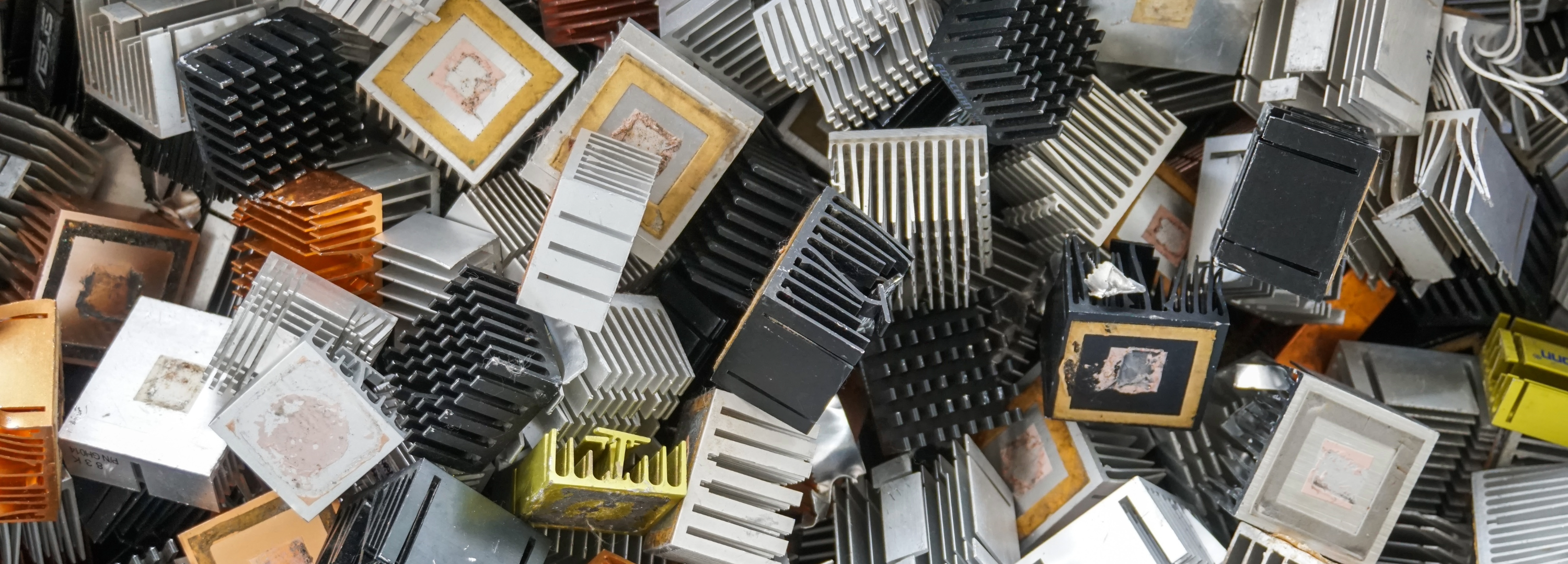
A heatsink is a "passive heat exchanger," often referred to as a cooling plate or dissipation fin. Its primary role is to absorb and dissipate heat. It works by making contact with high-heat-generating components and effectively dispersing that heat into the surrounding air.
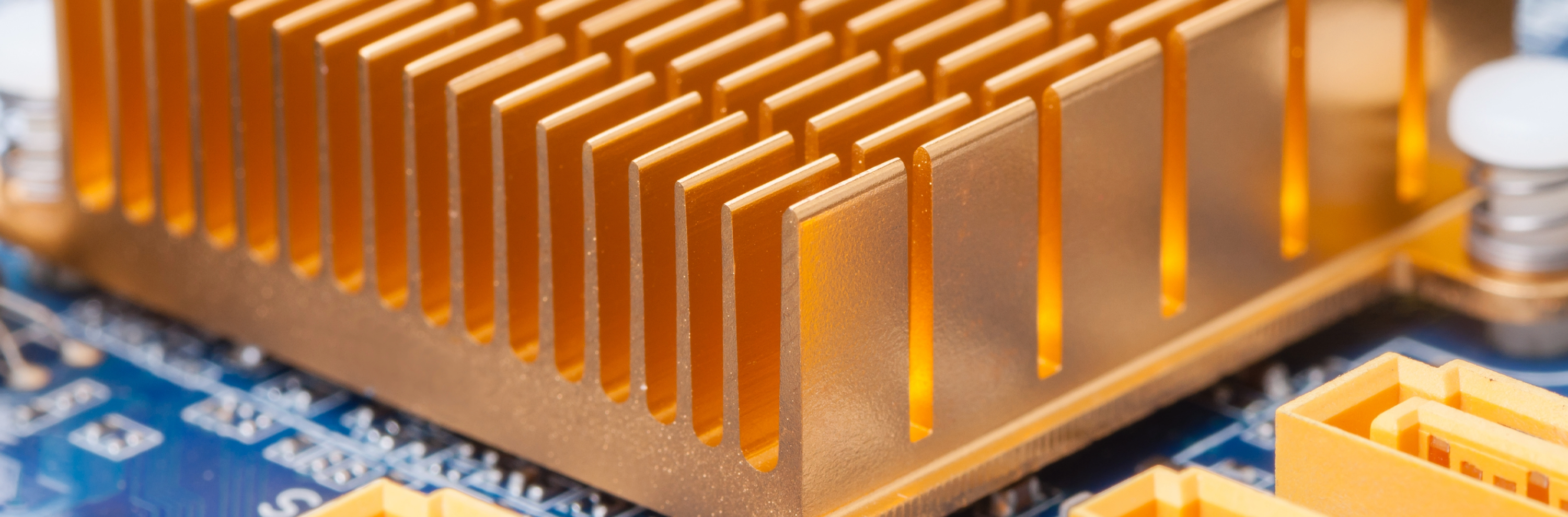
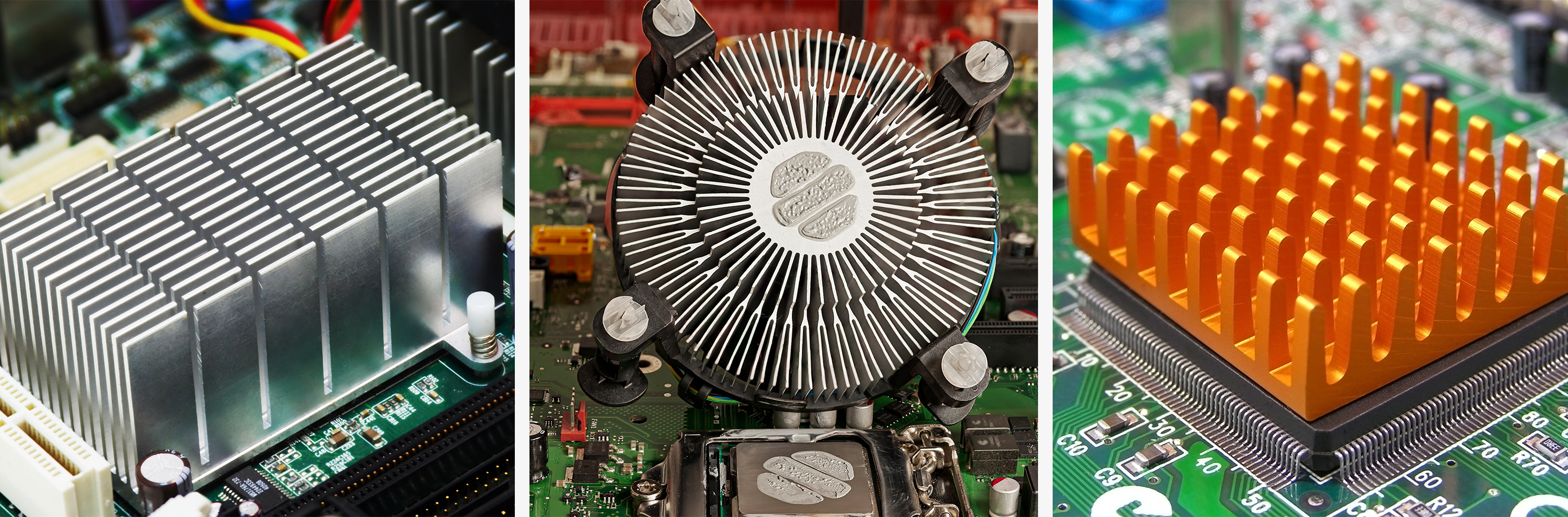
Heatsinks are typically manufactured from metals with high thermal conductivity, such as aluminum or copper. They generally feature a structure with many closely-spaced fins to maximize the surface area in contact with the air. The heat source is attached to the heatsink, allowing heat to transfer rapidly; the wide surface area of the fins then facilitates quick diffusion into the air to prevent overheating.
Heatsinks are utilized in various fields:
- Computers: Preventing CPU and GPU overheating to maintain peak performance.
- Telecommunications: Controlling heat in communication modules and circuits to ensure stable connectivity.
- Automotive: Managing thermal loads in Engine Control Units (ECU) and power components to enhance durability.
2. The Role of TIM (Thermal Interface Material)
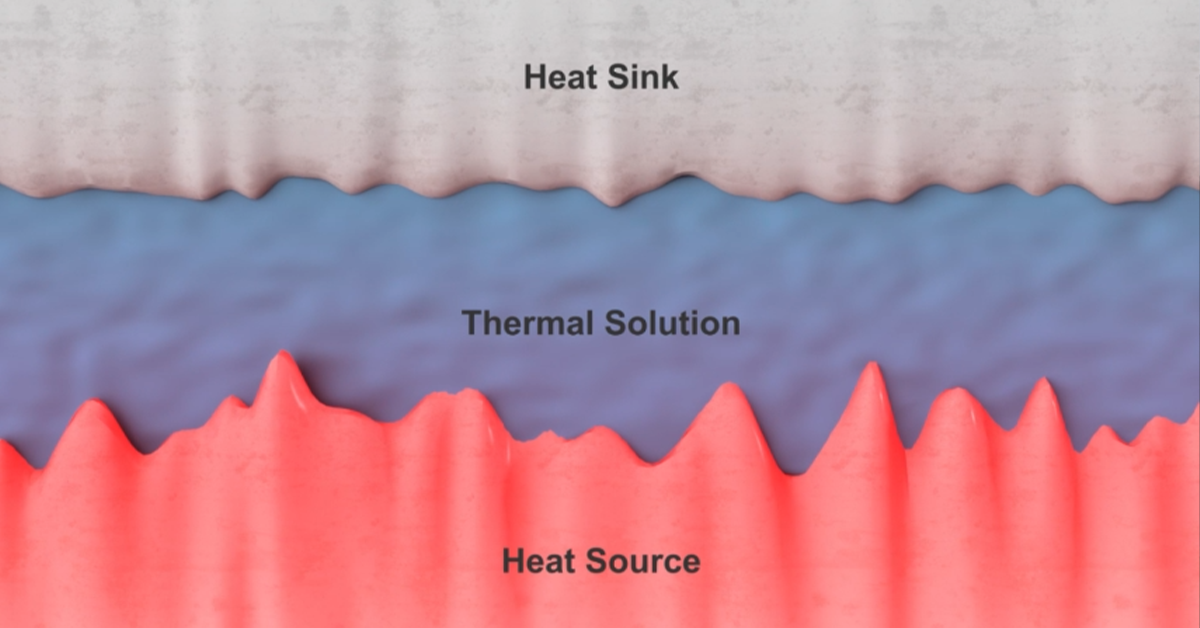
For a heatsink to perform optimally, heat transfer at the contact interface with the heat source must be seamless. However, even when two surfaces appear flat, microscopic gaps or "air pockets" exist between the heat source and the heatsink. Since air has very low thermal conductivity, these gaps act as barriers to heat transfer.
Thermal Interface Material (TIM) is designed to fill these gaps and maximize heat transfer efficiency. Representative examples include thermal pads and thermal grease (thermal paste).
TIM fills the empty spaces between the heat source and the heatsink, lowering thermal resistance and helping heat move to the heatsink more quickly and effectively. Silicone-based TIMs, in particular, offer high flexibility, allowing them to fill microscopic air gaps effectively.
3. The Importance of Heatsink and TIM Design
A heatsink's performance is proportional to its surface area in contact with the air. Therefore, the shape and size of the heatsink must be carefully selected based on the installation environment and the required amount of heat dissipation. Beyond standard fin shapes, various designs exist—such as needle-like pin fins or rounded structures—and custom designs are often fabricated to meet specific needs.
The effectiveness of thermal management is maximized when heatsinks and TIM are used together rather than in isolation. To achieve an optimal thermal solution, it is crucial to consult with experts to determine the right heatsink size, shape, and type of TIM for your specific environment.
Taeyang 3C offers a range of TIM products, including thermal pads, gels, and potting materials, which deliver maximum performance when used in conjunction with heatsinks. While they can be used independently, we highly recommend using them alongside a heatsink if space permits.
If you have any questions regarding Taeyang 3C's TIM products, please contact us at the email address below.