
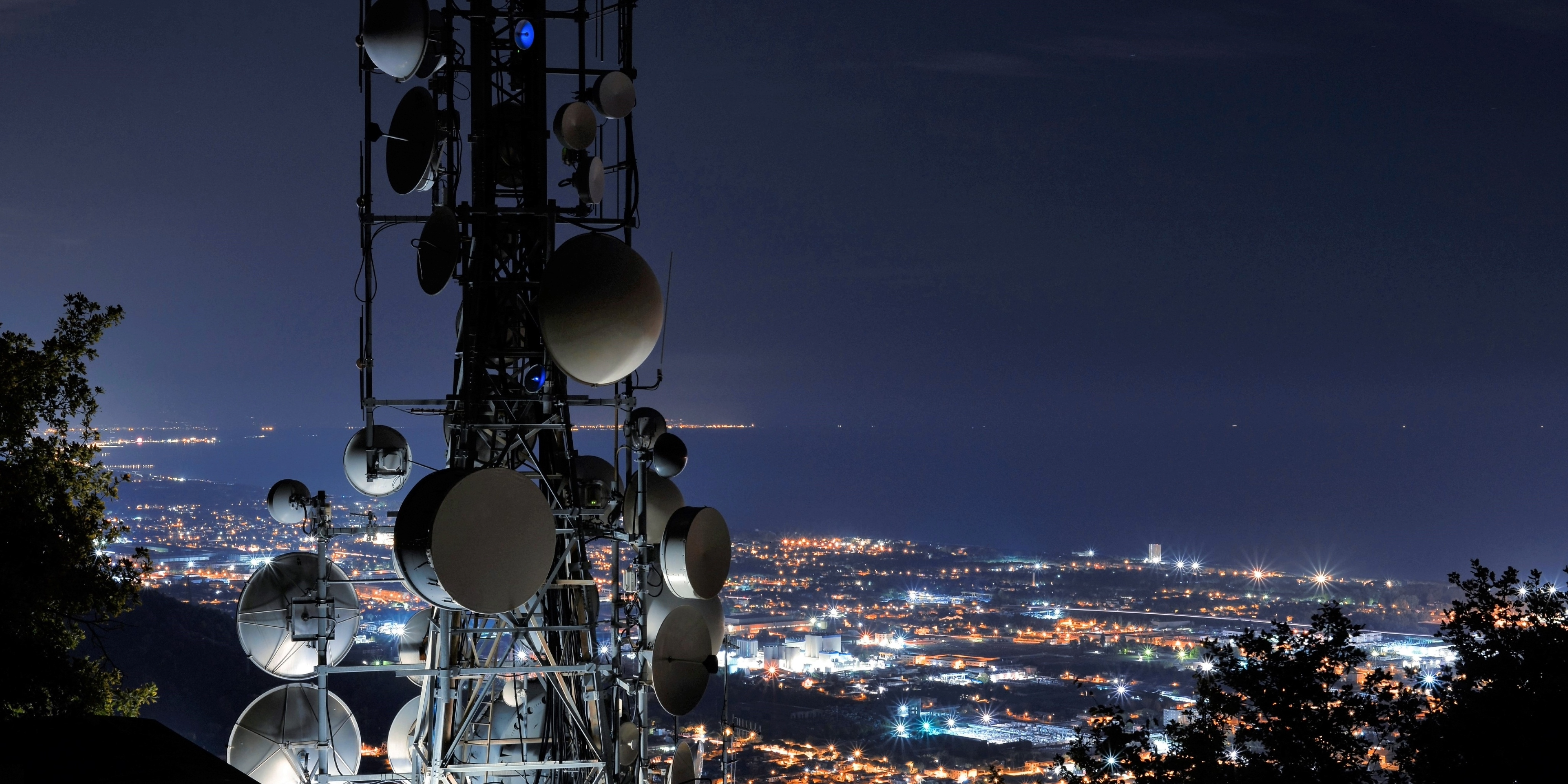
 5G base stations use Massive MIMO (Multiple Input, Multiple Output), which integrates dozens to hundreds of antenna elements in a single unit. Each transmit chain is driven by its own power amplifier (PA), and PA efficiency is often only around 30–40%. In other words, roughly 60–70% of the power supplied to the PA is released as heat. With dozens of PAs packed into a compact Massive MIMO unit, heat flux is far higher than in conventional 4G equipment. This level of heat density demands a new level of performance from thermal materials and cooling design.
 Indoor telecom equipment, such as core network servers and switches, operates in a relatively temperature-controlled environment, so thermal design focuses on maximizing heat transfer efficiency. Outdoor base station equipment, by contrast, faces large temperature swings between seasons and between day and night, along with constant exposure to moisture, dust and UV. Here, long-term durability and environmental stability matter just as much as thermal performance. If a material hardens over time or absorbs moisture and swells, interface contact deteriorates and heat dissipation performance gradually declines.


