
[NOTE] Why Thermal Management Matters in 5G and Telecom Equipment

2026.11.26 15:48:1

As 5G networks roll out at scale, heat has become a more serious problem than ever across telecom infrastructure, from base stations and repeaters to edge servers. 5G uses much higher frequency bands than 4G and moves more data, faster, so the heat flux (heat generated per unit area) rises sharply. At the same time, equipment keeps getting smaller and lighter, leaving less physical room for heat dissipation. For design engineers, this is a new kind of challenge. In this article, Taeyang3C looks at the key technical factors in thermal design for 5G telecom equipment.


What makes heat in 5G equipment different?
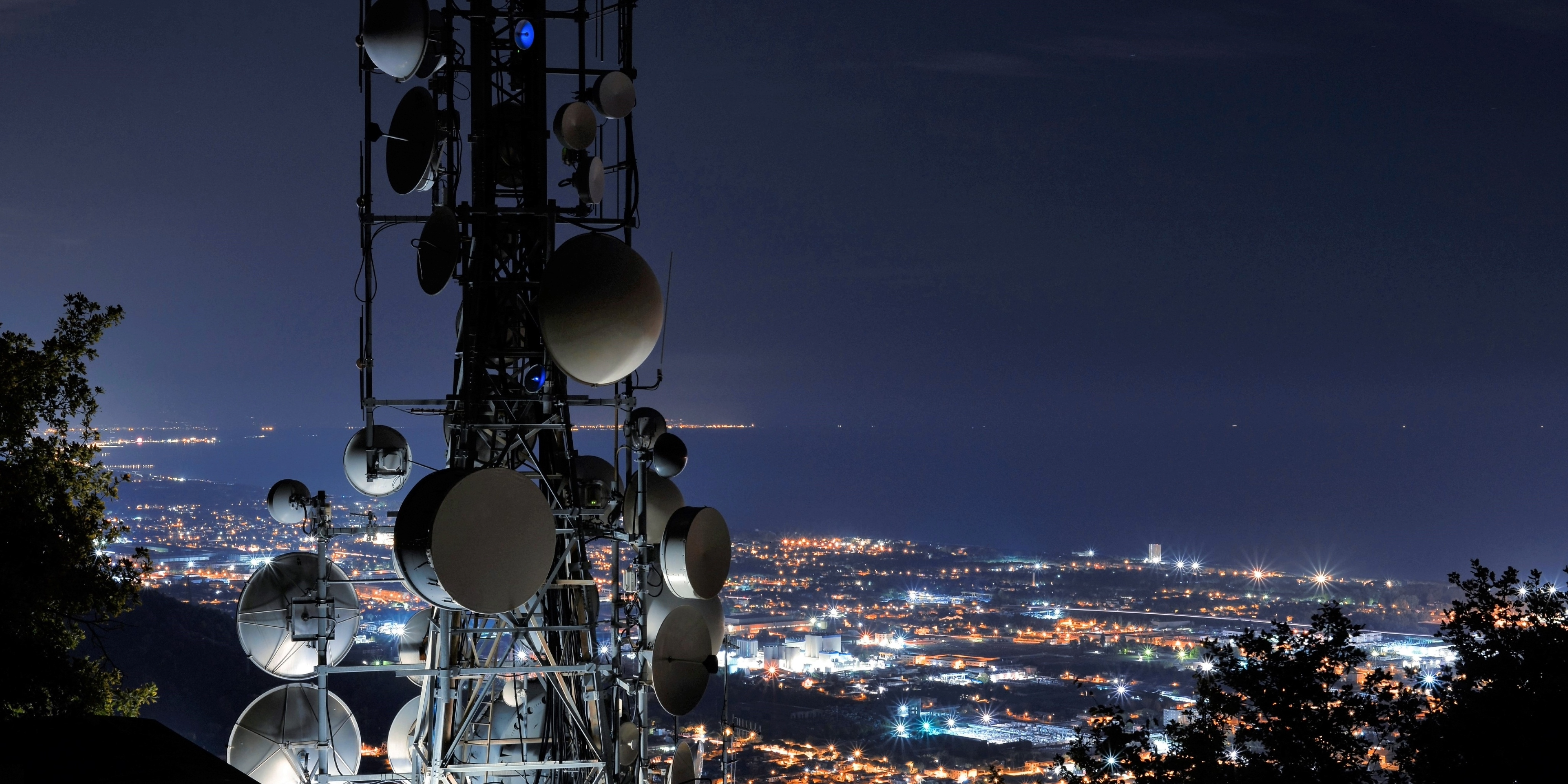
 5G base stations use Massive MIMO (Multiple Input, Multiple Output), which integrates dozens to hundreds of antenna elements in a single unit. Each transmit chain is driven by its own power amplifier (PA), and PA efficiency is often only around 30–40%. In other words, roughly 60–70% of the power supplied to the PA is released as heat. With dozens of PAs packed into a compact Massive MIMO unit, heat flux is far higher than in conventional 4G equipment. This level of heat density demands a new level of performance from thermal materials and cooling design.


Miniaturization vs. heat dissipation: how do you balance two competing goals?
To suit a wider range of installation sites and reduce costs, 5G equipment is quickly becoming smaller and lighter. But a smaller unit also means less space for heat dissipation. Solving this dilemma comes down to choosing materials that deliver maximum thermal performance in limited space. In particular, engineers are turning to thermal materials that combine high thermal conductivity with minimal thickness, and to design solutions that integrate the thermal material with the heat sink.


What properties do thermal materials for telecom equipment need?
Beyond high thermal conductivity, thermal materials for 5G telecom equipment need several other key properties. First, because they are applied close to antenna elements, electrical insulation is essential. An electrically conductive thermal material can affect antenna signal characteristics. Second, outdoor base stations require environmental resistance. Performance must hold up under long-term exposure to temperature swings, humidity, UV light, salt spray and other outdoor conditions. Third, around sensitive telecom components, choosing a material with low levels of low-molecular-weight (volatile) siloxane is better for long-term reliability. Low-molecular-weight siloxane can deposit on sensitive electrical contacts and cause contact failures.


Indoor telecom equipment vs. outdoor base stations: how does thermal design differ?
 Indoor telecom equipment, such as core network servers and switches, operates in a relatively temperature-controlled environment, so thermal design focuses on maximizing heat transfer efficiency. Outdoor base station equipment, by contrast, faces large temperature swings between seasons and between day and night, along with constant exposure to moisture, dust and UV. Here, long-term durability and environmental stability matter just as much as thermal performance. If a material hardens over time or absorbs moisture and swells, interface contact deteriorates and heat dissipation performance gradually declines.


How do you choose the right solution?
Taeyang3C offers thermal pad solutions with high thermal conductivity, low siloxane content and electrical insulation, suited to 5G telecom equipment. We closely analyze each customer's equipment structure and installation conditions to recommend materials optimized for indoor and outdoor applications alike.
If you need technical advice on selecting thermal materials for 5G or telecom equipment, please feel free to contact us at any time.